Should You Rent or Buy a Hospital Bed After Surgery?
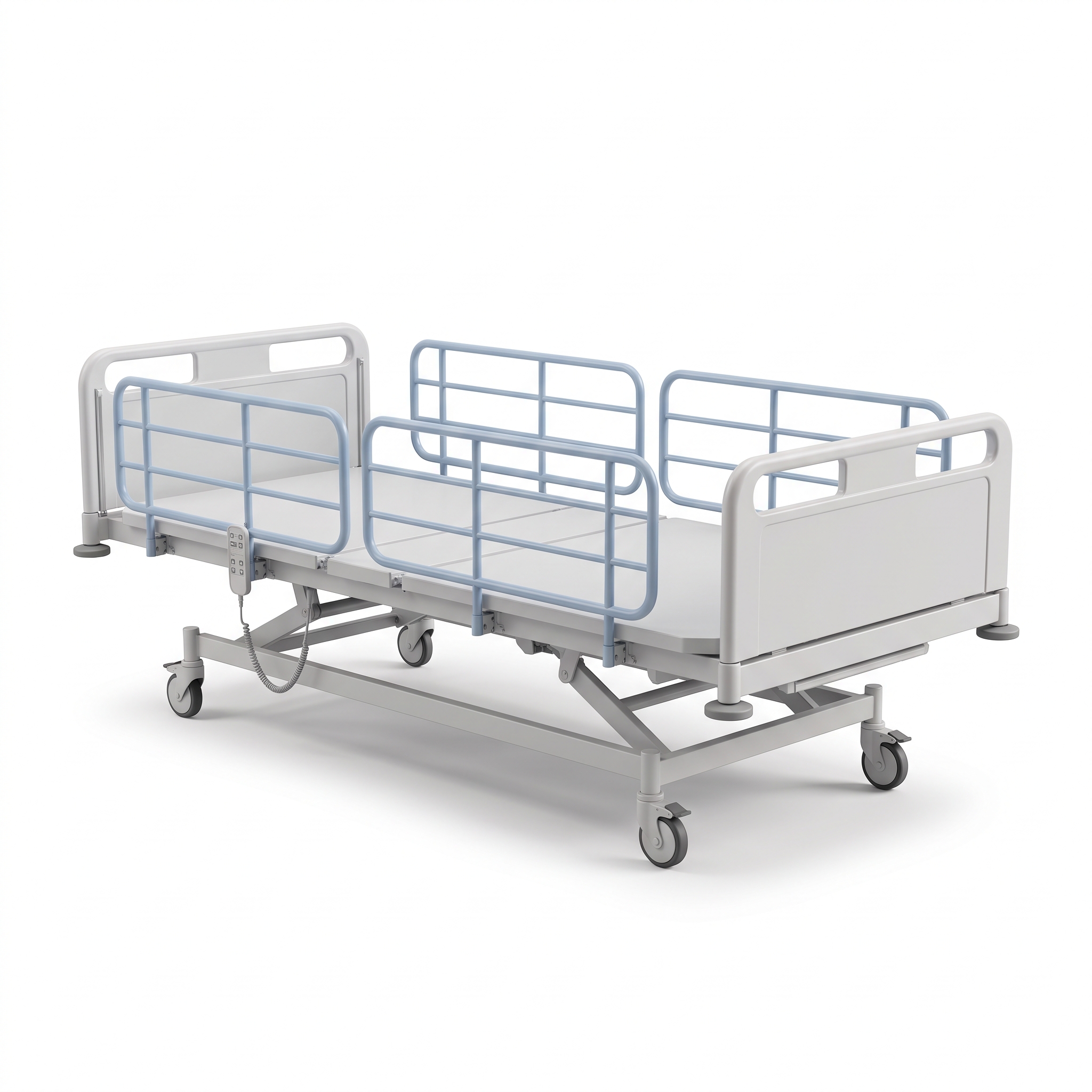
When you're planning a recovery at home after hip replacement, back surgery, or a cardiac procedure, one of the first logistics questions is whether to rent or buy a hospital bed. We get asked this every day at our Downers Grove office, and our answer depends on exactly one thing: how long will you need it?
Here's the honest guidance we give our own patients.
The quick rule
- Need it for less than 6 months? Rent.
- Need it for more than 12 months or indefinitely? Buy.
- Somewhere in between, or not sure? Rent first. You can always convert to purchase later, and many rental payments can be applied toward purchase.
Typical recovery timelines
| Surgery | Typical time a hospital bed is needed at home |
|---|---|
| Total knee replacement | 2–6 weeks |
| Total hip replacement | 4–8 weeks |
| Spinal fusion / laminectomy | 6–12 weeks |
| Open-heart surgery (CABG) | 4–8 weeks |
| Major abdominal surgery | 2–6 weeks |
| Stroke rehabilitation at home | Often 6+ months — may be long-term |
For nearly every surgical recovery, renting wins. You're paying for a few weeks or months of use rather than the full cost of a bed you'll store in the garage afterward.
What renting costs in the Chicago suburbs
Private-pay rental for a semi-electric hospital bed in DuPage County generally runs in the range of $150–$300 per month [VERIFY current rates], with full-electric beds somewhat higher. Delivery, setup, and pickup are typically included or charged as a flat fee. We offer weekly and monthly terms, and we arrange pickup when you're done — you don't have to figure out how to return a 150-pound bed.
What buying costs
A new semi-electric bed runs roughly $800–$1,500; full-electric beds $1,200–$3,000; specialty hi-lo or bariatric beds more [VERIFY current retail]. You own it, you can keep the mattress you like, and there are no monthly payments — but you also own the maintenance, and you have to deal with it when you no longer need it.
How Medicare changes the math
If Medicare is paying, the decision is partly made for you. Medicare rents hospital beds for 13 months and then transfers ownership to you. You pay 20% of the monthly rental amount; Medicare pays 80%. If you stop needing the bed after two months, you've paid two months of coinsurance and the bed goes back. There's no penalty for a short rental.
That makes Medicare-covered rental the best value for almost everyone recovering from surgery. Check out our guide on hospital bed Medicare eligibility guide to see who qualifies.
When buying actually makes sense
- A long-term condition (ALS, advanced MS, late-stage COPD, progressive dementia) where the bed is permanent.
- You want a full-electric or premium bed that insurance won't cover, and you'll use it for years.
- Insurance has denied coverage and you've calculated that purchase beats 12+ months of private rental.
- You're a caregiver who will support multiple family members over time.
Other things to decide
Full-electric vs semi-electric: If a caregiver will be adjusting the bed many times a day, the full-electric height adjustment is worth the upgrade — it saves their back. For a short recovery where the patient adjusts their own head/foot position, semi-electric is fine.
Mattress considerations: Standard innerspring mattresses come with the bed. If the patient will spend most of the day in bed, ask about a pressure-redistribution foam or alternating-pressure mattress to prevent bedsores. Learn more in our support surfaces guide catalog.
Where will it go? Measure the room. A standard bed is about 36" × 80" and needs space on both sides. If the room is tight, ask about a wall-hugger bed, which pivots toward the wall as the head raises and saves several feet.
Rails and trapeze: Half-rails help with repositioning and safety; a trapeze bar helps patients pull themselves up after abdominal or spinal surgery. Both are inexpensive add-ons.
Our honest recommendation
Rent for surgical recovery. Let us handle Medicare if you qualify. If three months in you're clearly going to need the bed long-term, call us and we'll walk through converting to purchase. We'd rather you spend less and come back to us for the next thing than overspend once.
Need equipment or have Medicare coverage questions?
Reliable Medical Equipment delivers same-day or next-day across Downers Grove, Naperville, Oak Brook, Bolingbrook, and DuPage County. We coordinate with your physician and bill Medicare directly.
Related Guides & Articles
Does Medicare Cover a Hospital Bed at Home? (Illinois Guide 2026)
Short answer: yes. Medicare Part B covers hospital beds as durable medical equipment (DME) when a doctor documents that you need one at home.
Same-Day Medical Equipment Delivery in the Chicago Suburbs: How It Works
The most stressful call we get sounds like this: "Mom is being discharged this afternoon and the hospital says she needs a hospital bed and a wheelchair before she can come home. Can you help?"